Water Damage
Water Damage in a Condo or Townhome: Who Is Responsible?
September 19, 2026 · 5 min read
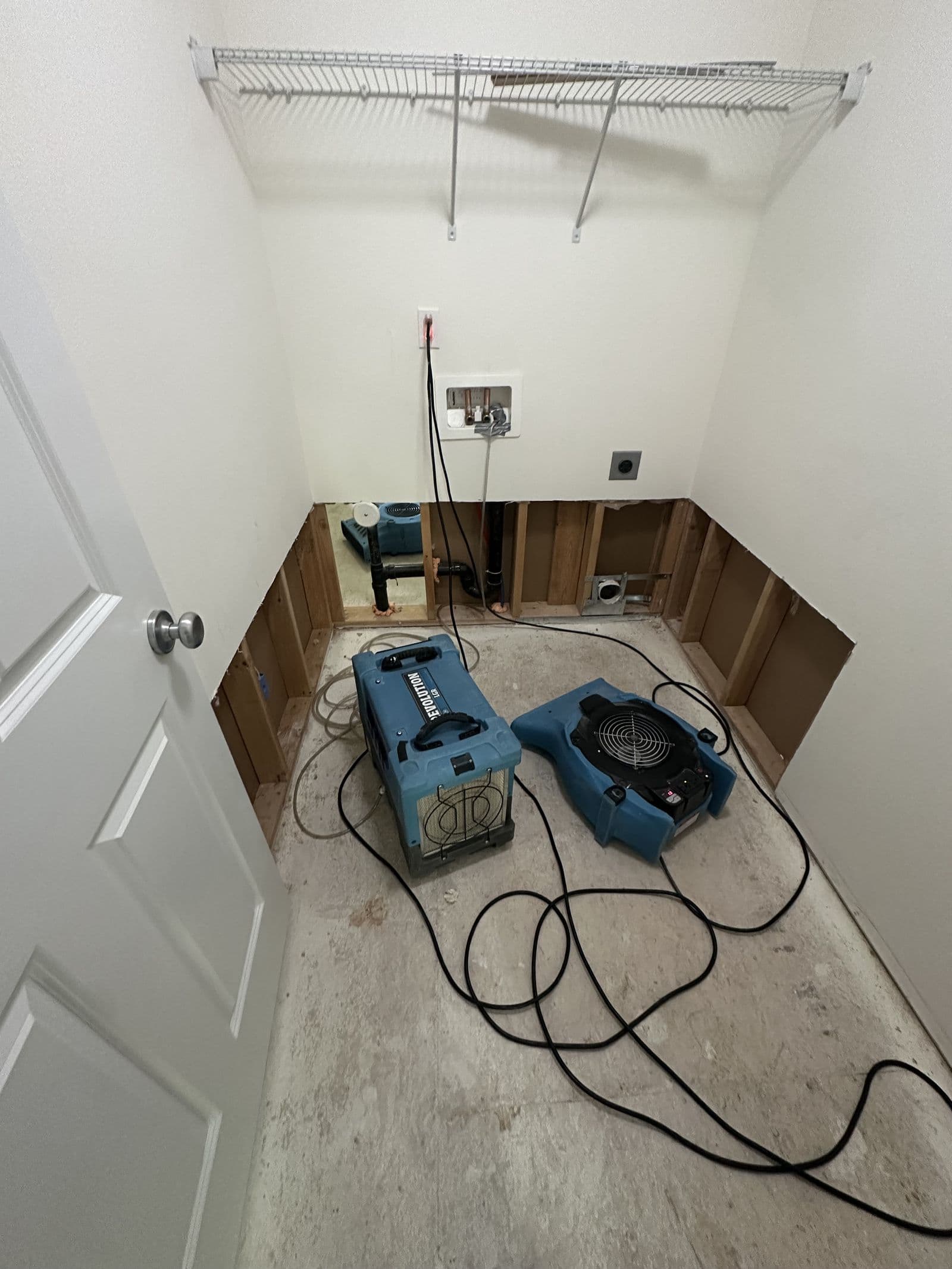
Water damage in a condo or townhome is rarely just your problem. A leak can start in your unit and end up in the one below, or start upstairs and reach you. Responsibility depends on where the water came from, what the association documents say, and what each policy covers. Here is a practical way to think about it, and what matters most in the first hours.
First, stop the water and document
Before working out who pays, limit the damage. Shut off the water if the source is inside your unit, notify the building or association, and photograph everything before anything is moved or cleaned. Those photos are what every later conversation will be based on.
Three questions decide most of it
- Where did the water originate: your unit, a neighboring unit, or a common element?
- What do the association documents say about which parts of the building are the owner's responsibility?
- What does each policy cover: your unit owner policy, the neighbor's, and the association's master policy?
Common situations
When a supply line or appliance inside a unit fails, the owner of that unit is often the starting point for the damage to other units. When the source is a common element, such as a roof or a shared pipe, the association usually gets involved. Many buildings also have deductible arrangements in their documents that decide who absorbs what, which is why reading the association documents early is worth the time.
Why mitigation should not wait for the answer
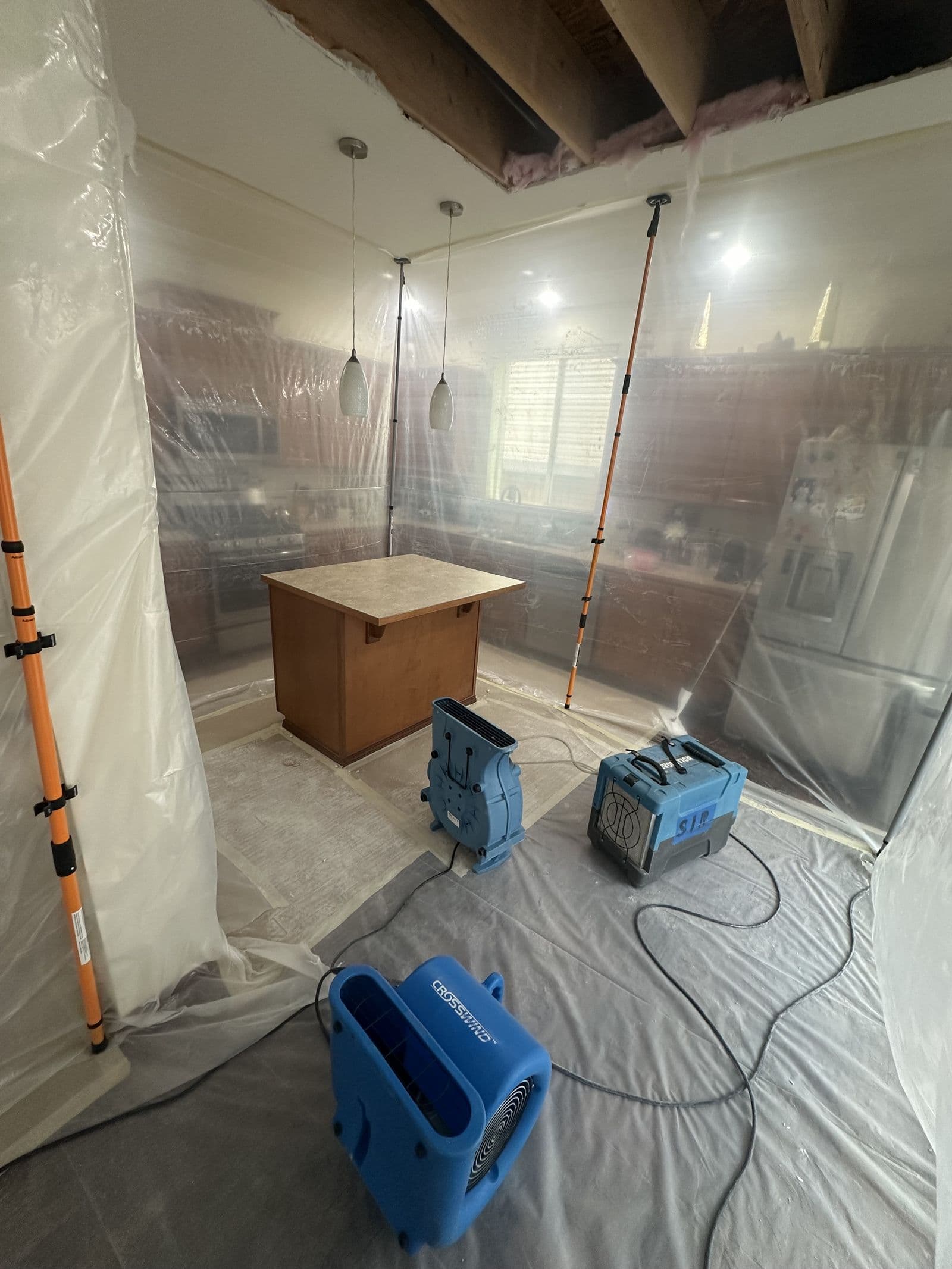
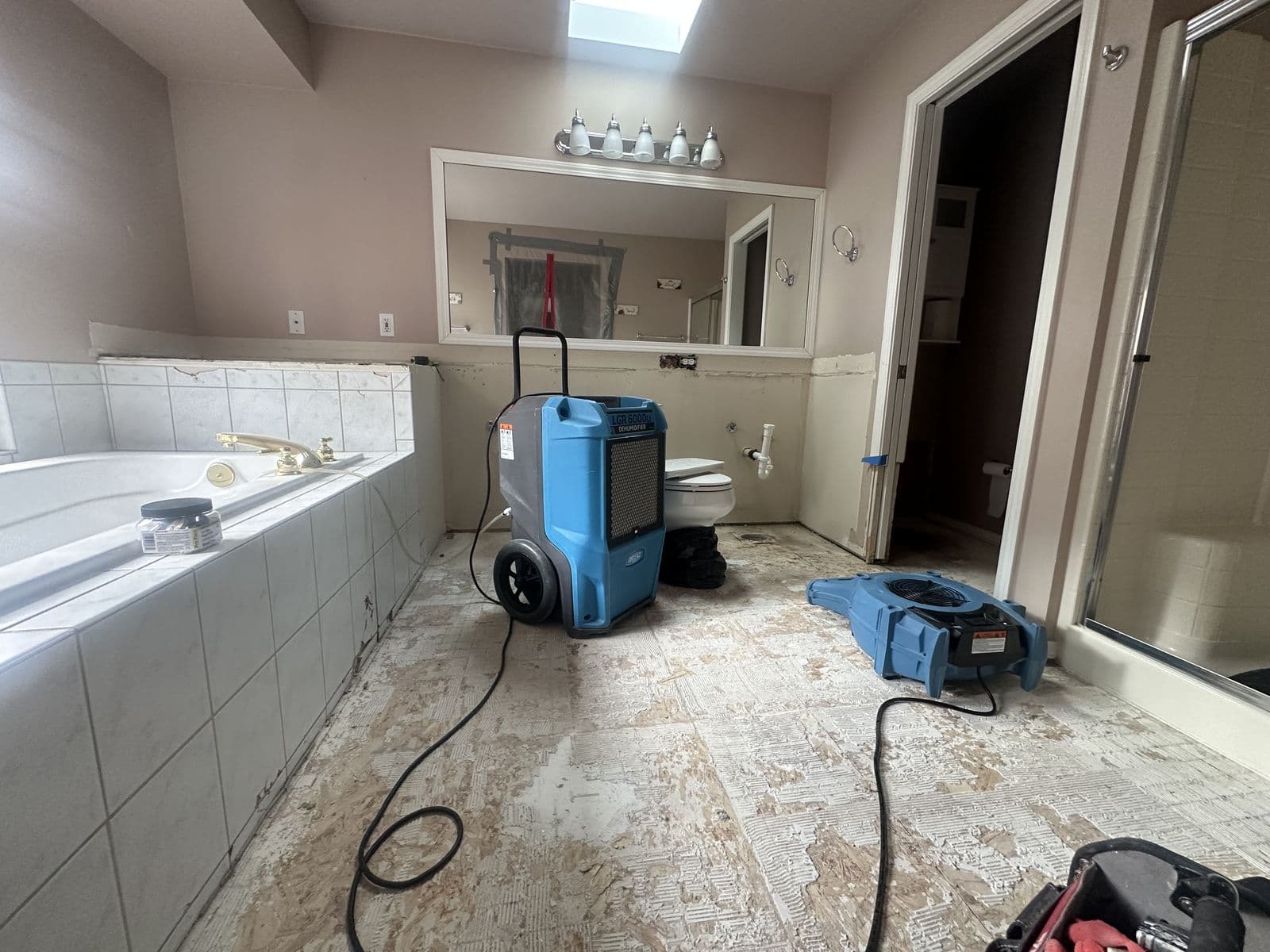
Responsibility can take days or weeks to settle. Drying cannot. Wet materials in a shared wall affect both units, and mold can begin to grow on damp materials within 24 to 48 hours. Emergency mitigation protects everyone's interest, and the documentation created during mitigation is what supports the claims afterwards.
What good documentation looks like here
- Photos and video of the source and every affected area, in each unit involved.
- Moisture readings and daily drying records.
- A written scope of what was removed and why.
- Notification to the association in writing, with dates.
We work with multiple parties
Turning On responds 24/7, mitigates the damage across the affected units, documents the loss for each party, and rebuilds once drying is complete. Call (425) 772-9467.
Related services: Mold Remediation and Reconstruction, serving Bellevue and nearby communities.
Need help now?
Our water damage restoration team responds 24/7 across Washington and works directly with your insurance. Call (425) 772-9467.

Written by
Adones Batista · Founder & CEO
Adones Batista is the founder of Turning On Restoration & Remodeling, with over 15 years of hands-on experience in construction, disaster response and insurance restoration across Washington.
More about AdonesFrequently Asked Questions
Who pays for water damage in a condo?+
It depends on where the water originated, on the association documents and on the policies involved. The first steps are stopping the water, notifying the association and documenting everything.
Should I wait for the HOA before starting mitigation?+
Notify the association immediately, but do not let wet materials sit. Mold can begin to grow on damp materials within 24 to 48 hours, and mitigation documentation supports the claims.
Can you work with my neighbor's insurance too?+
Yes. We document the damage in each affected area and can provide estimates, photos and scope information to the adjusters involved. Call (425) 772-9467.