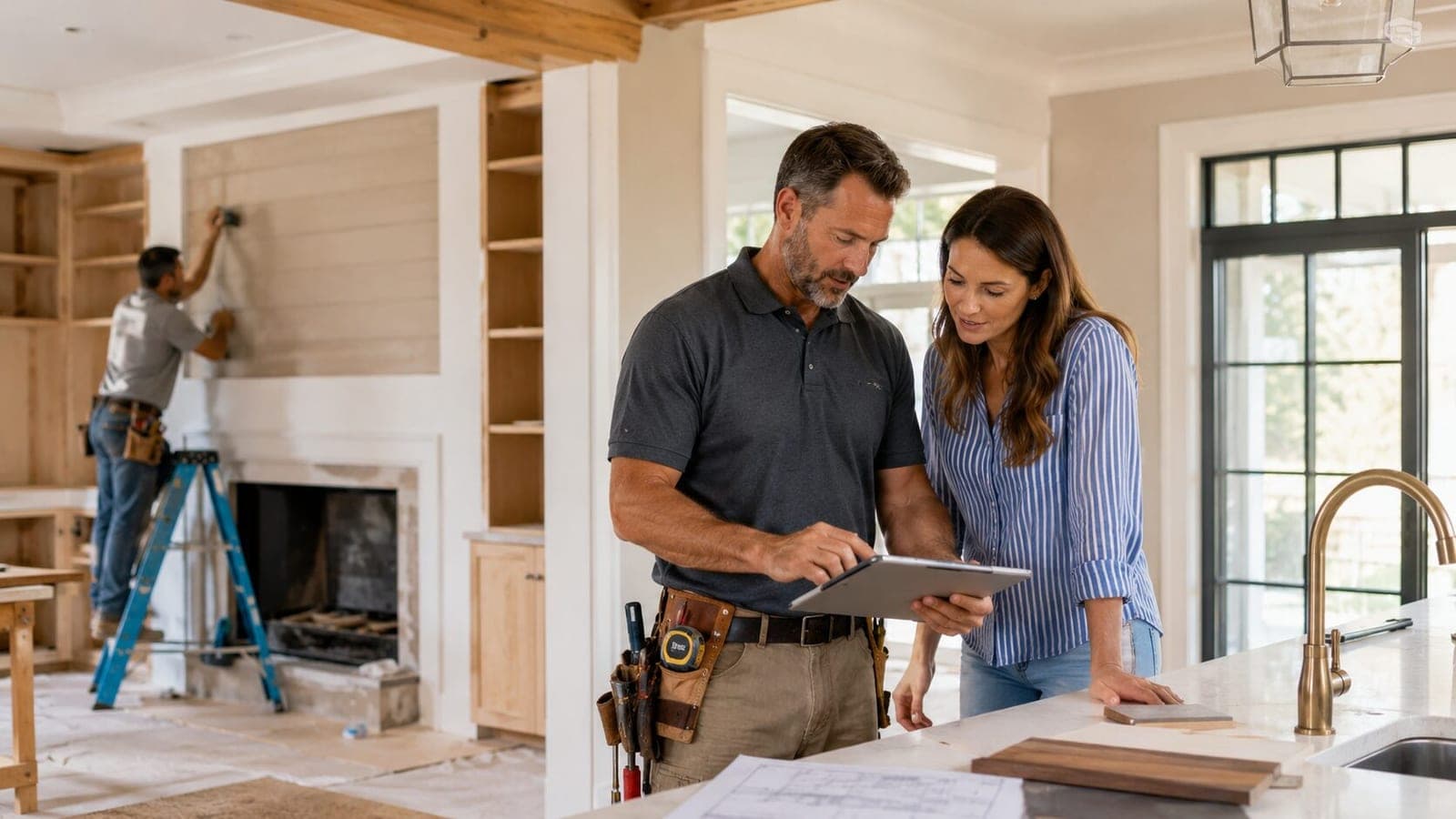
Reconstruction
What to Expect During Insurance Reconstruction
September 15, 2026 · 6 min read
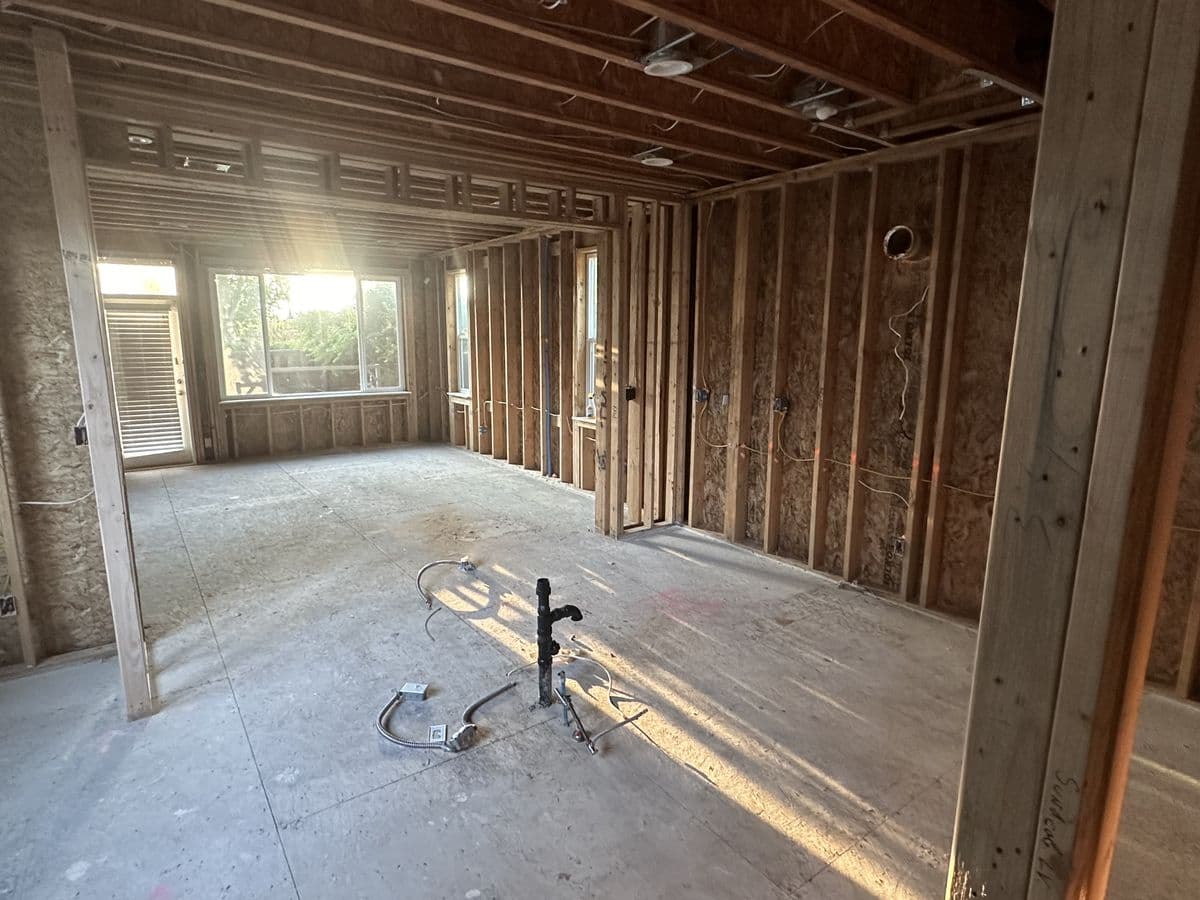
Once your home is dry and the damaged materials are out, the project shifts from emergency work to construction. This phase moves at a different pace: it involves an approved scope, materials, sometimes permits and inspections, and a schedule. Here is what the reconstruction phase actually looks like when insurance is involved.
1. The scope comes first
Reconstruction starts from a written scope of the repairs required after the loss. Your contractor prepares an estimate for that work, often in Xactimate, the format most adjusters use. Your adjuster reviews it, and the approved scope is what the rebuild is based on.
2. Selections and materials
Before work begins, finishes are confirmed: flooring, paint, trim, cabinets and fixtures. Long lead-time items are ordered early, because a material that takes weeks to arrive sets the schedule for the whole room.
3. Permits and inspections, when required
Structural work, electrical and plumbing changes usually require permits and inspections. In Washington, the contractor doing the work must be registered with the Department of Labor & Industries, and inspections happen on the municipality's schedule, not yours or ours.
4. The build
Rough work comes first: framing repairs, insulation, then drywall, texture and paint, followed by flooring, trim, cabinets and fixtures. Each stage has to dry or cure before the next one starts, which is why a room can look finished and still need days of work.
5. Supplements
Sometimes damage is only visible once materials are opened up. When that happens, the additional work is documented and submitted as a supplement to the claim. This is normal, and it is one of the most common reasons a timeline shifts.
6. Final walkthrough
At the end, you walk the project with the contractor, compare the finished work against the scope, and list anything that still needs attention. Nothing about the job should be a surprise at this stage.
What usually causes delays
- Waiting on scope approval or on a supplement decision.
- Material lead times, especially cabinets, flooring and specialty items.
- Permit and inspection scheduling.
- Additional damage discovered during demolition.
- Changes or upgrades requested after the scope was approved.
One team from mitigation to finished home
Turning On prepares the reconstruction estimate, communicates with your adjuster, documents supplements and completes the rebuild, from structural repairs to final finishes. Call (425) 772-9467.
Related services: Water Damage Restoration and Fire Damage Restoration, serving Bellevue and nearby communities.
Need help now?
Our reconstruction team responds 24/7 across Washington and works directly with your insurance. Call (425) 772-9467.

Written by
Adones Batista · Founder & CEO
Adones Batista is the founder of Turning On Restoration & Remodeling, with over 15 years of hands-on experience in construction, disaster response and insurance restoration across Washington.
More about AdonesFrequently Asked Questions
How long does insurance reconstruction take?+
It depends on the scope, approvals, material lead times and inspections. We provide a project schedule once the scope is confirmed and update it as the project moves.
Can I upgrade finishes during the rebuild?+
In many cases, yes. Changes beyond the approved scope usually involve additional cost to the homeowner and should be documented separately.
Who talks to the insurance adjuster?+
We provide estimates, photos, documentation and scope information directly to your adjuster regarding the repairs. Decisions about coverage remain between you and your carrier. Call (425) 772-9467.