Mofo
Mofo preto: riscos à saúde e o que fazer
30 de abril de 2025 · 4 min de leitura

Poucos problemas domésticos causam tanta preocupação quanto o mofo preto. O importante é saber que qualquer crescimento de mofo em ambientes internos deve ser levado a sério e removido com segurança, e que não há motivo para pânico. Aqui está uma visão clara sobre o que é o mofo preto, os riscos à saúde e a forma segura de lidar com ele.
O que é o mofo preto?
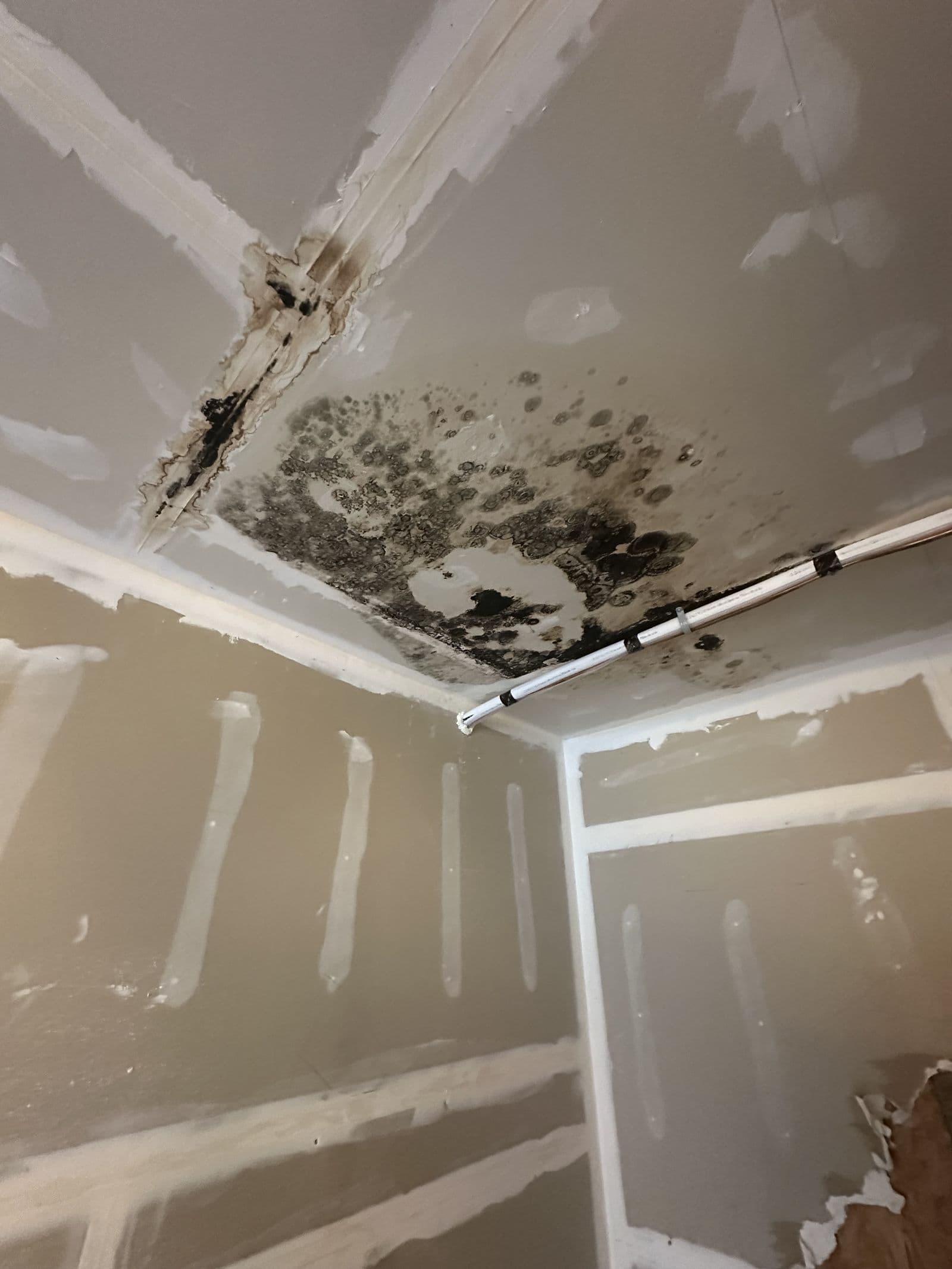
O mofo preto geralmente se refere a um mofo de cor preta esverdeada escura que tende a crescer em materiais úmidos e porosos, como o gesso e a madeira que permanecem molhados. Como todo mofo, ele precisa de umidade para crescer. Muitos mofos parecem escuros, então a cor por si só não identifica o tipo exato, mas qualquer crescimento significativo em ambientes internos deve ser tratado.
Riscos à saúde que você deve conhecer
As reações variam de pessoa para pessoa. Bebês, idosos e pessoas com alergias, asma ou sistema imunológico enfraquecido tendem a ser mais sensíveis.
- Sintomas respiratórios como tosse, chiado no peito e congestão.
- Irritação nos olhos, na garganta e na pele.
- Agravamento dos sintomas de asma ou alergia.
- Dores de cabeça e fadiga com a exposição prolongada.
O que não fazer
A resposta errada pode piorar as coisas ao espalhar os esporos pela casa.
- Não esfregue nem perturbe grandes áreas de mofo, pois isso libera esporos no ar.
- Não pinte por cima, porque isso esconde o problema enquanto o mofo continua crescendo.
- Não confie na água sanitária para superfícies porosas, porque ela não remove o crescimento pela raiz.
- Não ignore a fonte de umidade, ou o mofo voltará.
A forma segura de lidar com o mofo preto
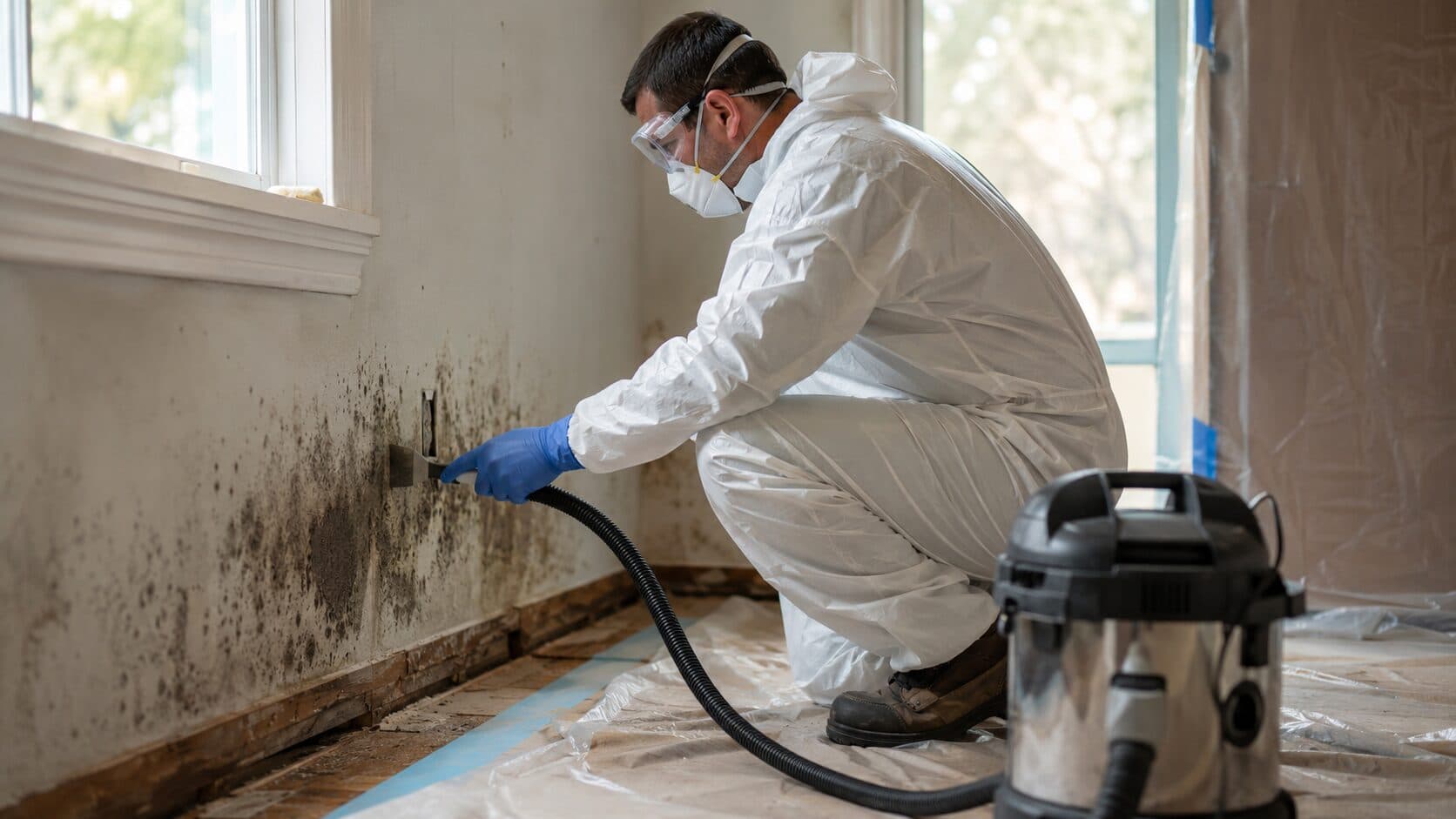
A remediação profissional segue um processo elaborado para remover o mofo sem espalhá-lo: avaliação para determinar a extensão e a fonte de umidade, contenção da área, remoção e descarte seguros dos materiais afetados, limpeza e filtragem do ar, e correção do problema de umidade para que ele não volte.
Quando chamar um profissional
O mofo superficial pequeno em superfícies não porosas às vezes pode ser limpo, mas áreas maiores, mofo em materiais porosos ou qualquer mofo associado a sintomas de saúde devem ser tratados de forma profissional. Se você está preocupado com o mofo preto, nossa equipe de remediação de mofo pode avaliá-lo e removê-lo com segurança. Ligue para (425) 772-9467.
Serviços relacionados: Restauração de Danos de Água e Reconstrução, atendendo Kirkland e comunidades próximas.
Precisa de ajuda agora?
A nossa equipe de remoção de mofo atende 24/7 em todo o Washington e trabalha diretamente com o seu seguro. Ligue para (425) 772-9467.

Escrito por
Adones Batista · Fundador e CEO
Adones Batista é o fundador da Turning On Restoration & Remodeling, com mais de 15 anos de experiência prática em construção, resposta a desastres e restauração com seguros em todo o Washington.
Mais sobre AdonesPerguntas Frequentes
O mofo preto é realmente perigoso?+
Qualquer crescimento significativo de mofo em ambientes internos deve ser removido com segurança. O mofo preto pode causar sintomas respiratórios e irritação, especialmente em pessoas sensíveis, por isso é melhor tratá-lo de forma profissional em vez de perturbá-lo.
Posso remover o mofo preto sozinho?+
Pequenas quantidades em superfícies duras e não porosas às vezes podem ser limpas. Áreas maiores, materiais porosos ou mofo associado a sintomas devem ser removidos de forma profissional para evitar a dispersão de esporos.
O mofo preto voltará depois da limpeza?+
Ele voltará se a fonte de umidade não for corrigida. Uma remediação adequada remove o mofo e corrige o problema de umidade subjacente.