Mold
How to Choose a Mold Remediation Company in Washington
September 9, 2026 · 6 min read
Finding mold in your home is stressful, and choosing who removes it matters more than most people realize. According to the Washington State Department of Health, there are no specific state certification requirements for mold or water damage restoration, which means anyone can advertise as a mold remediation specialist. That puts the burden on homeowners to ask the right questions. Here is what to look for.
Start with L&I registration
Even without a mold license, any company that removes drywall, flooring or cabinets and rebuilds them is doing construction work, and in Washington that requires registration with the Department of Labor & Industries. The Department of Health recommends checking that a contractor is licensed, bonded and insured through L&I and reviewing any recent infractions before you hire.
Look for recognized training
Because the state does not certify mold contractors, third-party training is the best signal of competence. The Department of Health points homeowners to organizations like the IICRC, whose S520 standard covers professional mold remediation. Ask whether the technicians on your job are trained, not just the company owner.
They should find the moisture source
Mold always comes back to moisture. A remediation company that removes visible growth without finding the leak, condensation or drainage problem behind it is setting you up for a repeat. Expect moisture readings, a thermal or visual inspection of hidden areas and a clear explanation of what caused the growth.
Ask how they contain the work area
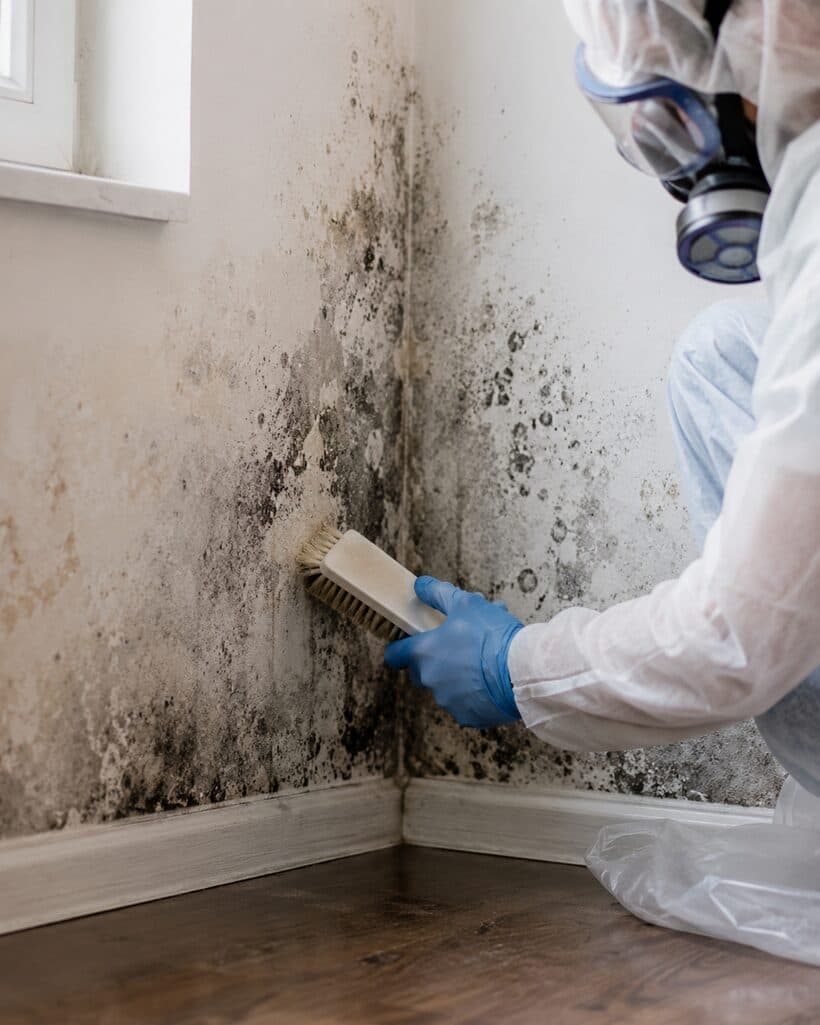
Disturbing mold releases spores, so proper containment is what keeps the problem from spreading to the rest of the house. A professional company should explain its plan before starting.
- Plastic containment walls that isolate the affected area.
- Negative air pressure with HEPA filtration.
- Removal of porous materials that cannot be cleaned, bagged inside containment.
- HEPA vacuuming and cleaning of surfaces before the containment comes down.
Be careful with a company that tests and removes
Mold testing is not always necessary, and the EPA notes that if you can see or smell mold, you generally have a moisture problem to fix. When testing is done, some homeowners prefer an independent investigator so the company that sells the removal is not also the one deciding how big the problem is. A trustworthy remediation company will be open about this.
Make sure someone rebuilds the area
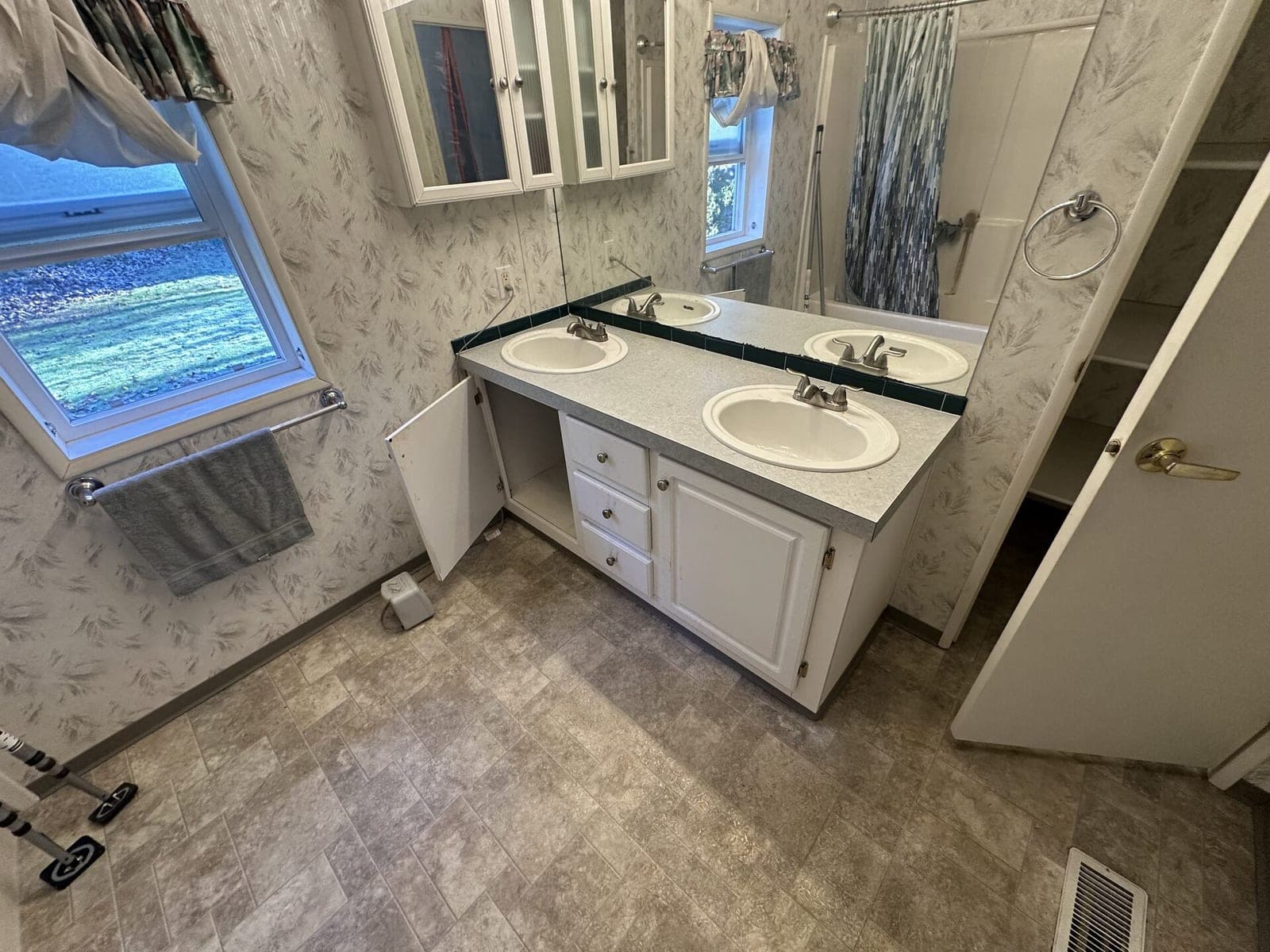
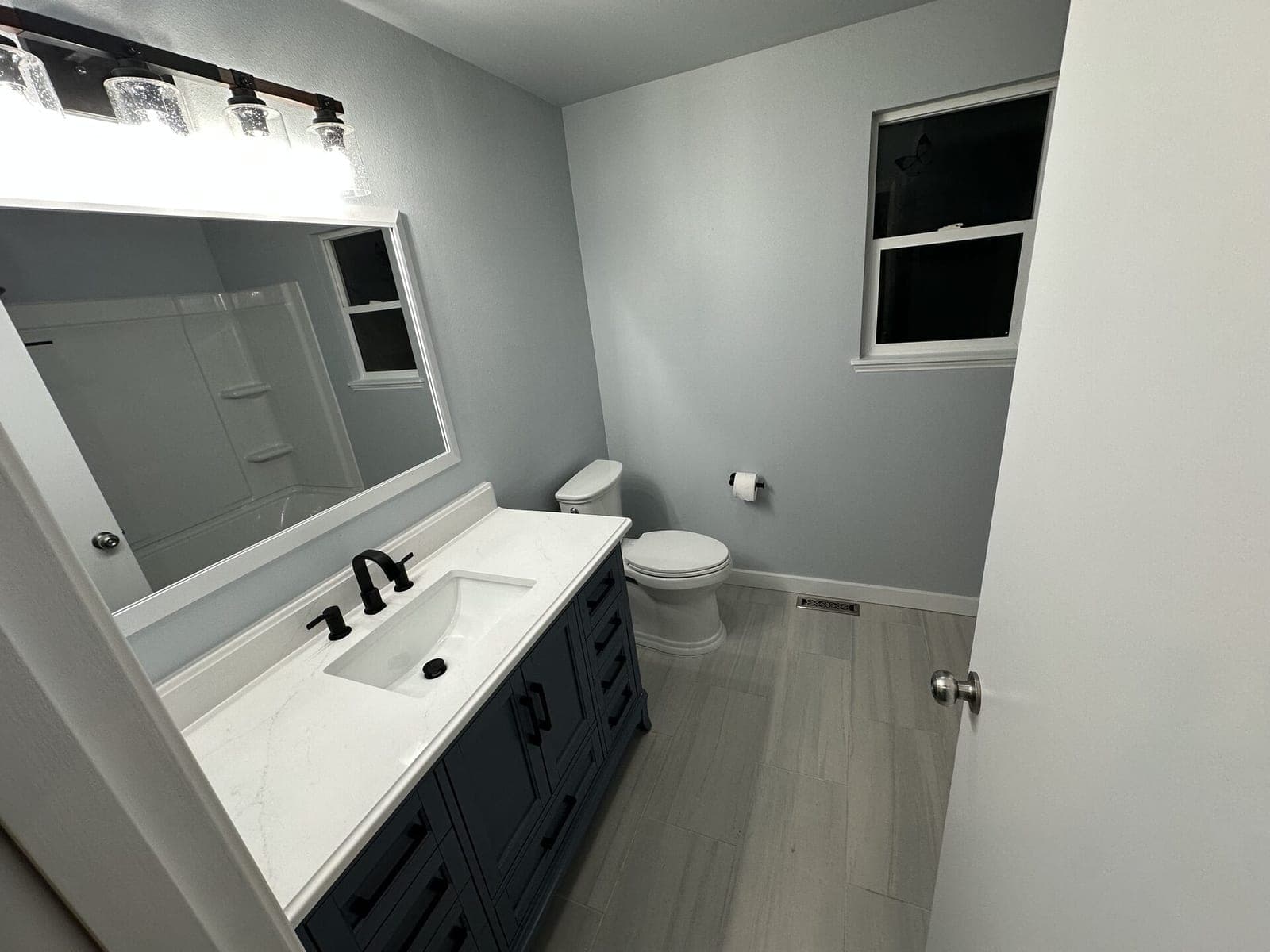
Remediation often leaves open walls, missing baseboards or a torn-out bathroom floor. If the company stops there, you still need a contractor to rebuild. Choosing a team that handles remediation, moisture repair and reconstruction keeps the job moving and avoids having two companies point at each other if something goes wrong.
How Turning On handles mold
Turning On inspects, contains and removes mold following industry standards, corrects the moisture source and rebuilds the affected areas with our own crew, from drywall to finished paint. We are a registered Washington contractor based in Bellevue and serve the Eastside and greater Seattle area. Call (425) 772-9467 to schedule an inspection.
Related services: Water Damage Restoration and Reconstruction, serving Kirkland and nearby communities.
Need help now?
Our mold remediation team responds 24/7 across Washington and works directly with your insurance. Call (425) 772-9467.

Written by
Adones Batista · Founder & CEO
Adones Batista is the founder of Turning On Restoration & Remodeling, with over 15 years of hands-on experience in construction, disaster response and insurance restoration across Washington.
More about AdonesFrequently Asked Questions
Does Washington require a license for mold remediation?+
No. The Washington State Department of Health says there are no specific state certification requirements for mold or water damage restoration. Contractors doing construction work must still be registered with L&I.
What certification should a mold remediation company have?+
Look for technicians trained through recognized organizations such as the IICRC, whose S520 standard covers professional mold remediation, plus L&I registration, bond and insurance.
Can I remove mold myself?+
Small surface spots can often be cleaned by a homeowner. The EPA suggests professional help for areas larger than about 10 square feet, mold tied to contaminated water or mold hidden inside walls. Call (425) 772-9467 if you are unsure.