Mold
What Happens During Mold Remediation, Step by Step
September 8, 2026 · 5 min read
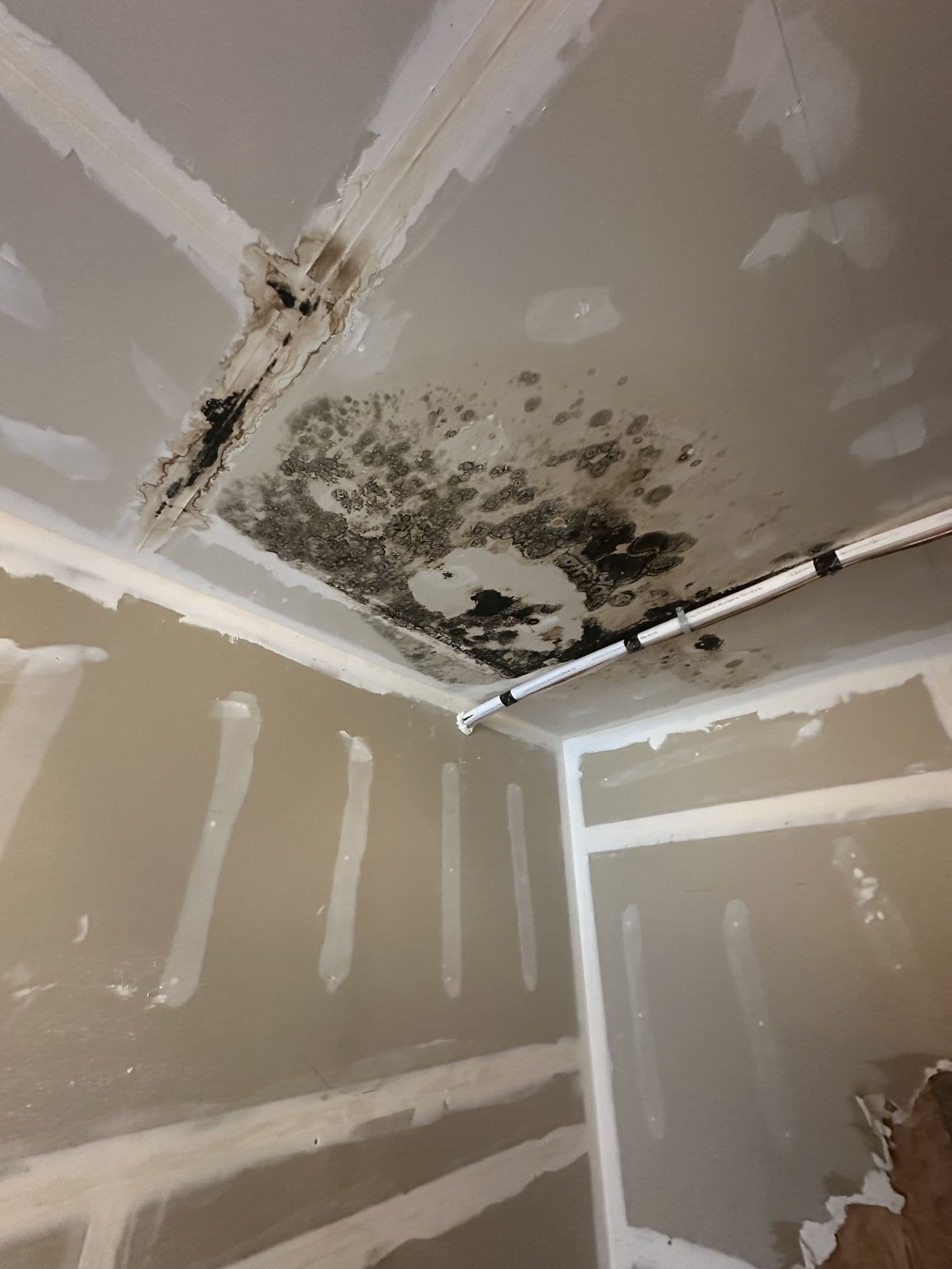
Mold remediation looks dramatic from the outside: plastic sheeting, machines running, sections of drywall gone. Every part of it has a purpose, which is to remove the affected materials without spreading spores through the rest of the house. Here is what happens, in order, on a professional job.
1. Inspection and scope
We inspect the visible growth, the affected materials and the moisture conditions around them, and we look for the areas that may need to be opened. The goal of this step is a clear scope: what comes out, what gets cleaned, and what is causing the moisture.
2. Containment
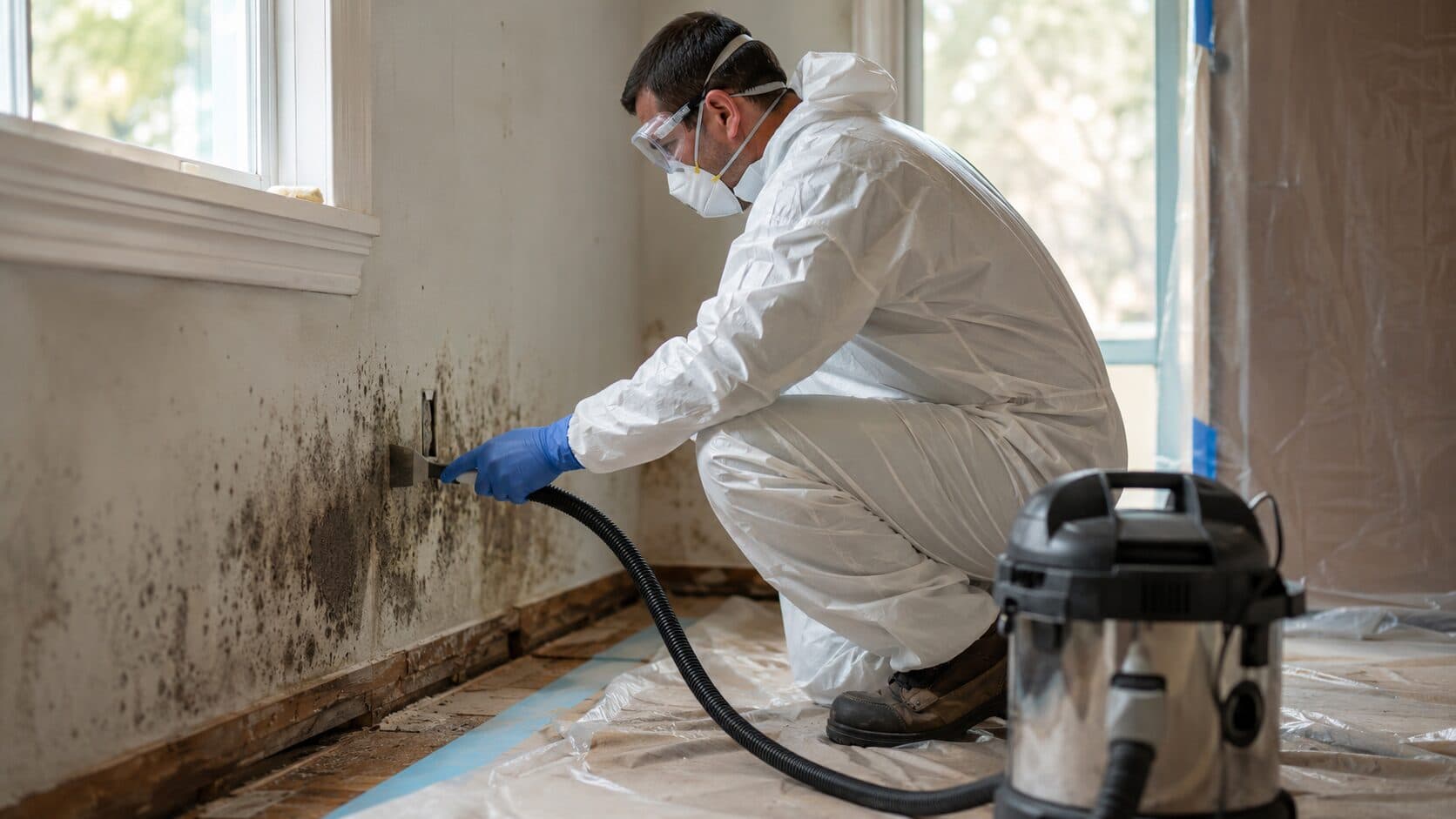
Before anything is disturbed, the work area is isolated with plastic barriers. Disturbing mold releases spores, so containment is what keeps the problem from moving into the rooms that are fine.
3. Air filtration
HEPA air scrubbers run inside the containment to capture airborne particles during the work, and the area is kept under negative pressure so air flows into the work zone rather than out of it.
4. Removing affected materials
Porous materials that cannot be cleaned, such as sections of drywall, insulation or carpet, are cut out and bagged inside containment. Materials that can be saved are cleaned with professional methods rather than removed.
5. Cleaning and HEPA vacuuming
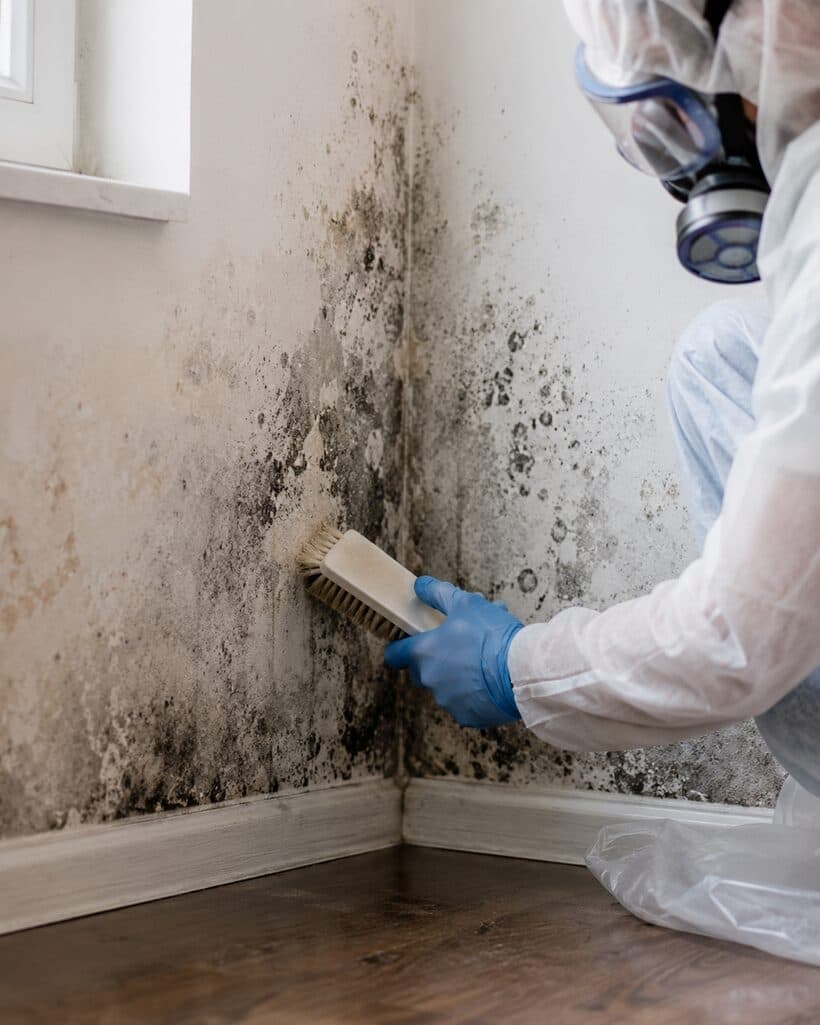
Surfaces and contents in the area are cleaned and HEPA vacuumed, including framing that stays in place. This is the step that decides whether the space is actually clean or just missing drywall.
6. Addressing the moisture
Mold is a moisture problem first. We identify and document the moisture conditions that fed the growth, and dry the structure where needed, so the repair is not a countdown to the same problem.
7. Rebuild
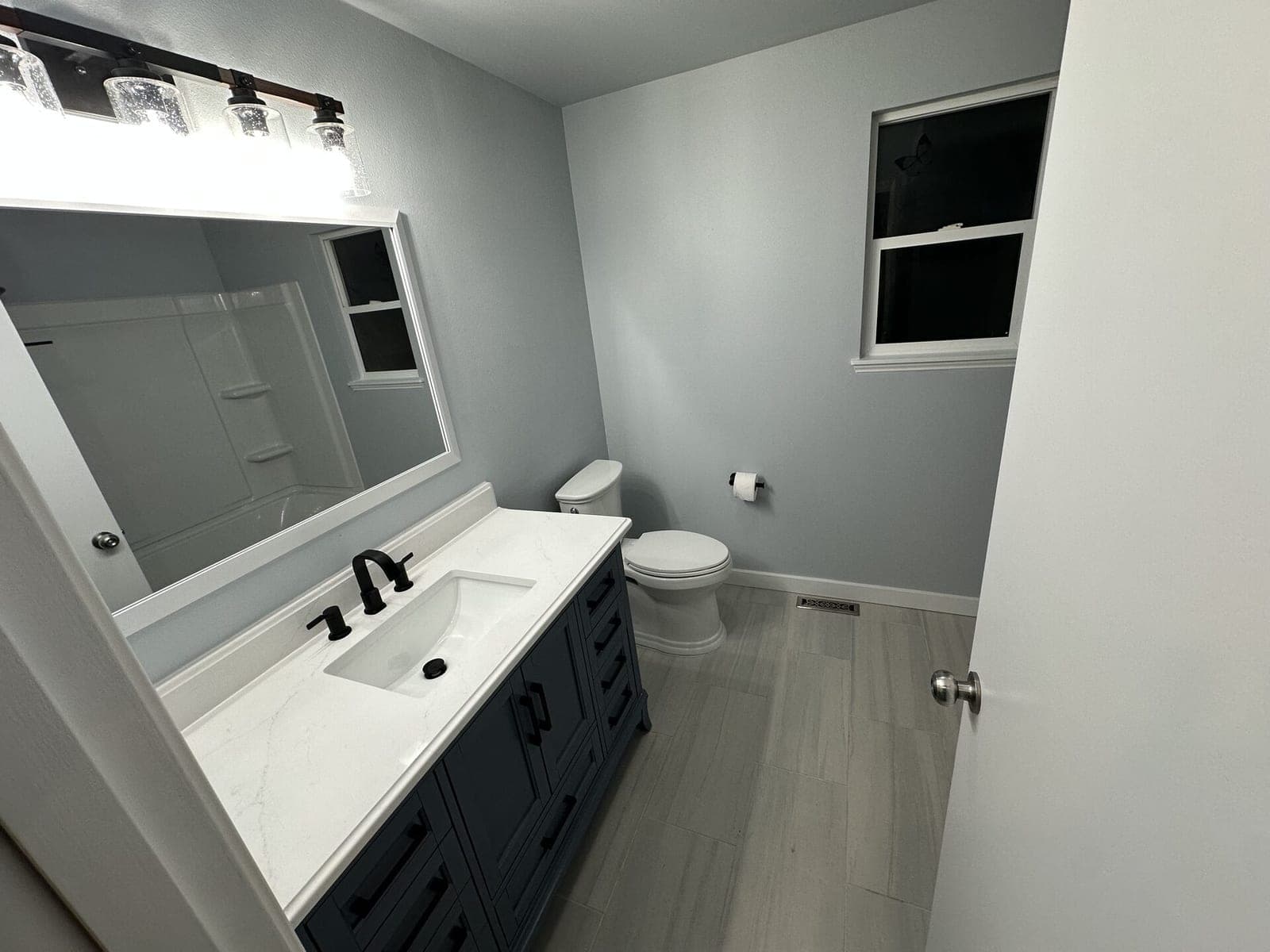
Once remediation is complete, the affected areas are rebuilt: drywall, insulation, trim, paint, flooring and cabinets as needed. With one company doing both, there is no waiting for a second contractor to start.
What you should get at the end
- Photos of the affected areas before and after the work.
- A written scope of what was removed and what was cleaned.
- Documentation of the moisture conditions found.
- A finished space, not an open wall waiting on someone else.
We handle remediation and the rebuild
Turning On contains, removes and cleans following industry standards, documents the work for your insurance, and rebuilds what was removed. Call (425) 772-9467.
Related services: Water Damage Restoration and Reconstruction, serving Kirkland and nearby communities.
Need help now?
Our mold remediation team responds 24/7 across Washington and works directly with your insurance. Call (425) 772-9467.

Written by
Adones Batista · Founder & CEO
Adones Batista is the founder of Turning On Restoration & Remodeling, with over 15 years of hands-on experience in construction, disaster response and insurance restoration across Washington.
More about AdonesFrequently Asked Questions
How long does mold remediation take?+
It depends on how much material is affected and whether reconstruction is needed. The remediation itself is often a few days; the rebuild afterwards depends on the scope.
Do I have to leave the house during remediation?+
Not always. It depends on the size of the affected area, the containment setup and the conditions in the home. We explain what to expect after the inspection.
Will the mold come back?+
Mold returns when moisture returns. That is why identifying and correcting the moisture source is part of the job, not an optional extra. Call (425) 772-9467.